5 Influencer Marketing Strategy Tips for Small Brands in 2026
Work With Multiple Creators to Test Short-Form Video
Small brands rarely have the same advertising budgets as large companies. Instead of spending most of your budget on one major influencer, work with multiple relevant micro- and niche creators to produce short-form videos.

On platforms such as TikTok, Instagram Reels, and YouTube Shorts, distribution is not determined solely by follower count. A strong video can reach people beyond a creator’s existing audience when the platform identifies it as relevant to their interests.
This gives smaller creators—and the brands working with them—a chance to generate meaningful exposure. However, success does not come from producing more videos alone. Brands should test different creators, hooks, use cases, and content styles, then invest more in the combinations that generate qualified views, product-page visits, saves, comments, and sales.
The goal is to build a portfolio of creator content, identify what resonates with customers, and scale the best-performing ideas.
Work With Multiple Creators as Early as Possible
Many small companies believe that partnering with one or two large influencers will instantly make their brand well known and generate significant sales. In most cases, this is unrealistic—especially when the product or brand is new and customers have not yet developed trust in it.
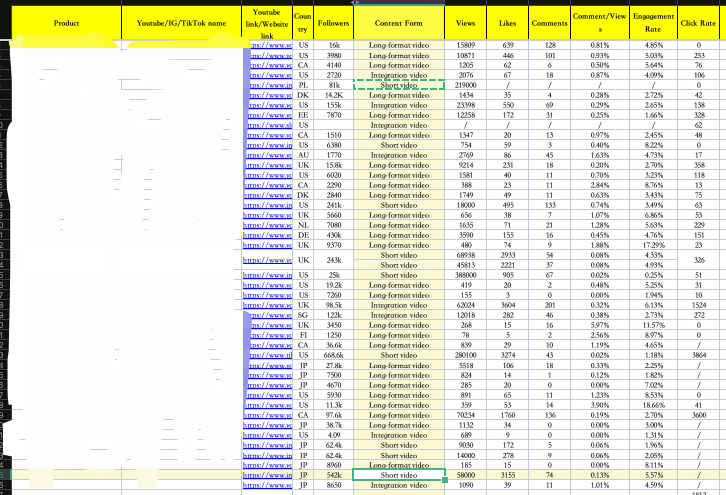
During the first three months of a launch, brands should aim to work with a broad portfolio of relevant creators. Depending on the budget and product category, this could mean testing content with dozens—or even more than 100—micro-creators across TikTok, YouTube, Instagram, blogs, and relevant media websites.
The purpose is not simply to accumulate videos. It is to create repeated, credible conversations around the product across the web. When potential customers encounter the product through multiple creators, demonstrations, reviews, and search results, the brand becomes more familiar and easier to trust.
If the budget is limited, brands can use product seeding, affiliate commissions, creator gifting, customer-generated content, and relationships with smaller niche creators. However, gifting a product does not guarantee coverage, so brands must select creators carefully and make the value of the collaboration clear.
Use Trackable Links to Measure Results and Sales
Many brands evaluate creator campaigns using exposure, brand mentions, and video views. These metrics can indicate awareness, but for small brands with limited budgets, the number of orders and the revenue generated are often more important.
Every creator should receive a unique tracking link, affiliate link, or discount code. This allows the brand to measure how many clicks, product-page visits, add-to-cart actions, and purchases each creator generates.
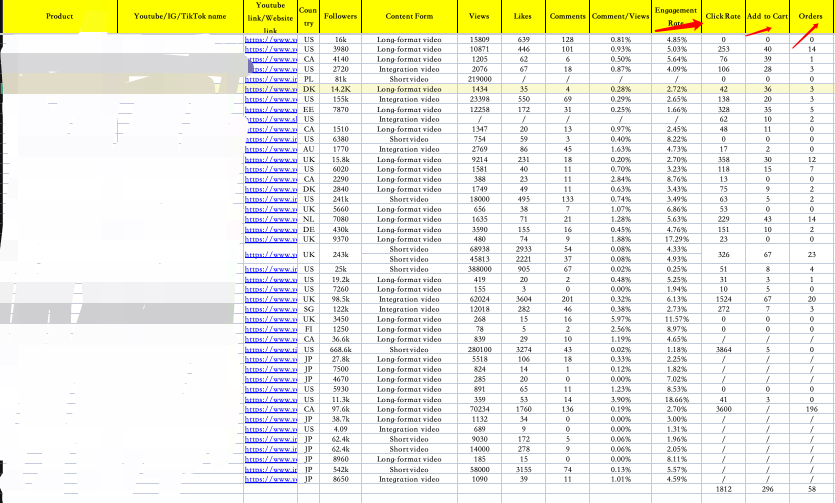
If you operate an independent website, create a creator-specific affiliate link with UTM parameters. If you sell through Amazon or another third-party marketplace, use the attribution or affiliate tracking options available on that platform.
Monitor performance throughout the campaign rather than waiting until the end. After approximately three months, evaluate each creator using:
- Link clicks
- Click-through rate
- Add-to-cart actions
- Orders
- Revenue
- Conversion rate
- Affiliate commissions
- Product and content costs
- Return on investment
The goal is to determine not only which creators produced attention, but which creators and content messages generated measurable customer action.
Use Paid Ads to Amplify High-Performing Creator Videos
For a small or unfamiliar brand, it is normal for many creator videos to receive limited views. Audiences are seeing the brand for the first time, and not every video will attract attention.
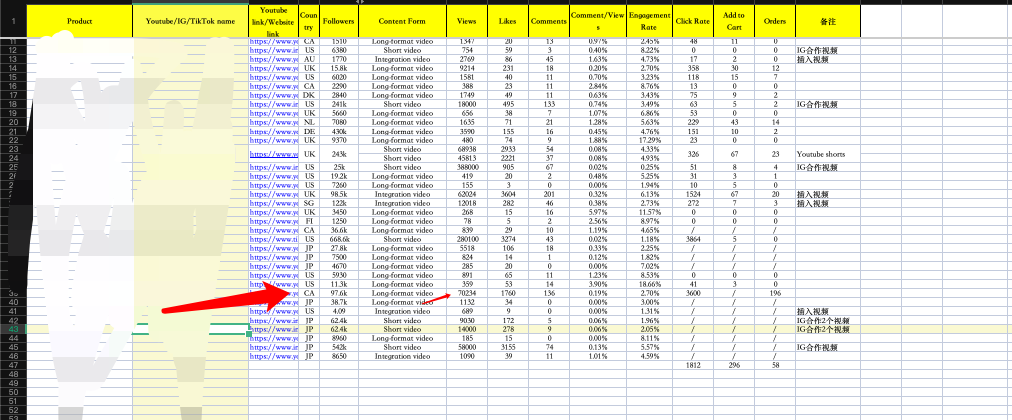
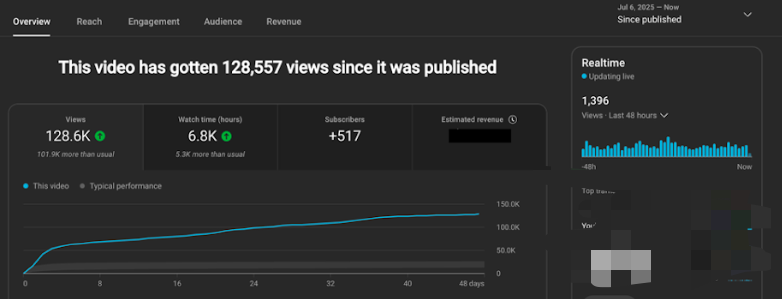
When a creator video performs significantly better than that creator’s usual content—or produces strong watch time, engagement, clicks, or sales—the brand should consider amplifying it through paid advertising. This can extend the video’s reach beyond the creator’s existing audience and help more potential customers discover the product.
However, a video should not be promoted based on views alone. Before investing, examine whether it generates:
- Strong retention and completion rates
- Relevant comments and questions
- Saves and shares
- Product-page clicks
- Add-to-cart actions
- Orders or assisted conversions
Brands must also obtain the creator’s permission and appropriate advertising usage rights before using the content in paid campaigns.
The principle is straightforward:
Creators help you discover which content resonates organically; paid advertising helps you scale the proven winners.
Secure Content Usage Rights and Republish Creator Videos
A common influencer-marketing mistake is treating the campaign as complete once creators publish their videos. In doing so, brands may lose the opportunity to reuse valuable content across their own marketing channels.
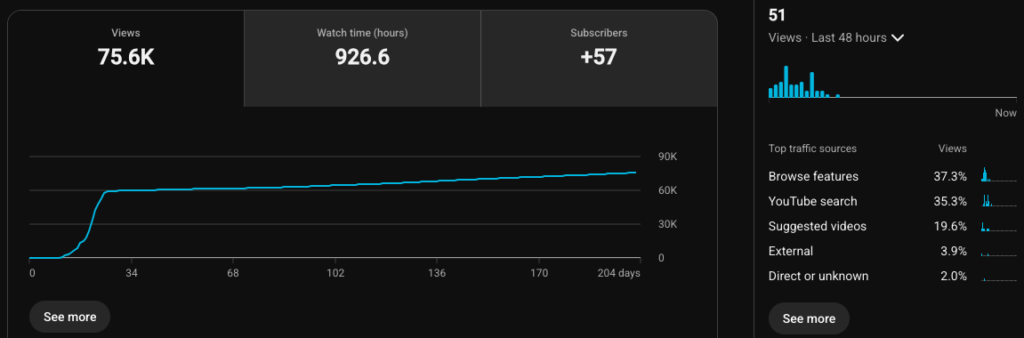
Before the collaboration begins, ask each creator for permission to download, edit, and republish the content on the brand’s official social media accounts, website, product pages, email campaigns, and other agreed channels.
The agreement should clearly define:
- Whether the content can be edited
- Which channels the brand may use
- Whether usage includes organic posts, paid advertising, or both
- How long the usage rights will last
- Which countries or regions are covered
- Whether the creator must be credited
- Whether additional usage fees are required
Republishing and adapting creator content can generate additional exposure from material the brand has already invested in. One original creator video may become several assets, including short clips, product demonstrations, testimonials, advertisements, website content, and email material.
If a creator’s original video performs well, an edited version may also perform well on the brand’s channels—but this is not guaranteed. The brand should test different hooks, lengths, captions, and formats for each platform.
The goal is to turn every successful creator collaboration into a reusable content asset rather than a one-time post.
Conclusion: Build a Creator System, Not a One-Off Campaign
Influencer marketing in 2026 should not be treated as a one-time collaboration with one large creator. For small brands, the better approach is to build a repeatable system: work with multiple relevant creators, test different messages and content formats, track clicks and sales, amplify the strongest videos with paid advertising, and secure usage rights to reuse valuable content across the brand’s own channels.
Not every creator will perform well, and not every successful video will generate immediate sales. The purpose of working with multiple creators is to collect enough evidence to identify which audiences, creators and messages produce meaningful customer action.
Test broadly, measure carefully, scale what works and stop what does not.