How We Turned $12K on YouTubers Into 1,200 Orders: A Startup’s Influencer Playbook
For many small or unknown brands, influencer marketing—especially on YouTube—is one of the most effective ways to build awareness and reach new audiences. Over a three-month campaign, we spent around $12,000 working with 50+ YouTubers—a mix of free (product-only) collaborations and paid creators. That campaign drove roughly 1.2 million views and generated around 2,541 orders in total, at about $32 each. Below is the data of six months.
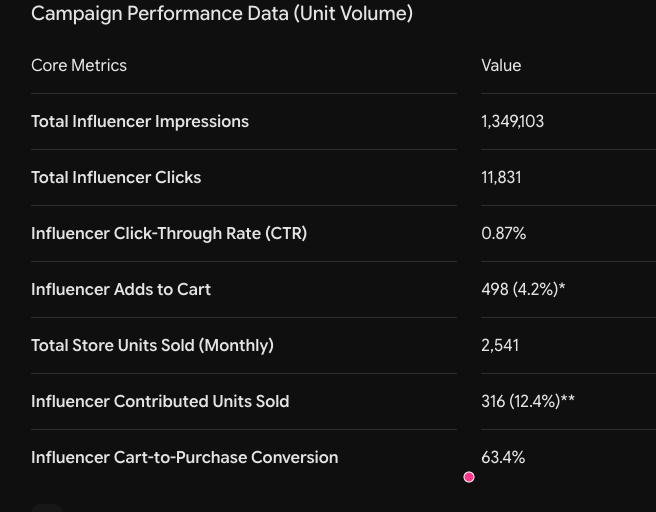
Data Notes:
- Important: “Units Sold” explicitly refers to the physical number of items (pieces) purchased, not monetary revenue.
- * 4.2% represents the Influencer Click-to-Cart Rate (498 Adds to Cart / 11,831 Clicks).
- 12.4% represents the Influencer Unit Contribution to the total store volume (316 Influencer Units / 2,541 Total Store Units).
- The 63.4% Cart-to-Purchase Conversion is specific to the influencer’s funnel (316 Influencer Units / 498 Influencer Adds to Cart).
Here’s why those numbers matter: 2,541 units at $32 is roughly $81,312 in total store revenue against $12,000 in spend—a 6.8x return on direct sales alone. And that return doesn’t even count the real prize: over 1.34 million people saw our brand, remembered it, and could search for it and buy on their own terms later. The direct sales made the campaign pay for itself; the exposure was the long-term investment.
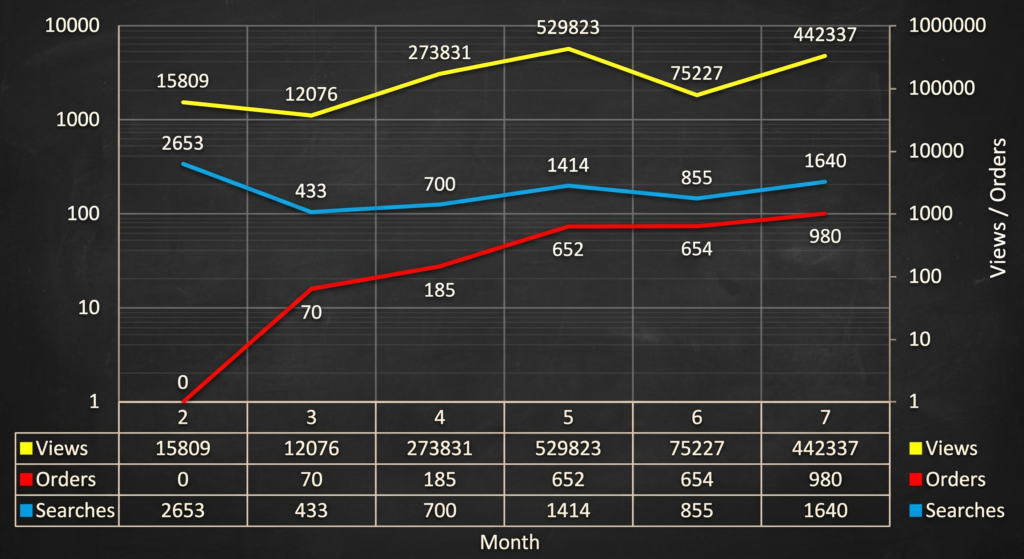
- Metric Definitions
Video Views: The total number of times the influencer’s video content was watched. This serves as our top-of-funnel metric, representing the raw reach, initial audience attention, and overall brand awareness generated by the campaign.
Amazon Search Volume: The total number of times users actively searched for our brand or product on Amazon. This mid-funnel metric captures the “halo effect” of the campaign, measuring how successfully the video content drove high-intent, independent product discovery on a major retail platform.
Orders Sold: The total number of physical product orders completed. As the definitive bottom-of-funnel metric, this tracks the final conversion and validates the ultimate retail success of the content-to-commerce strategy.
Funnel Summary (Optional context for your slides):
The campaign successfully guided users through a complete journey: capturing attention off-site (Views), driving proactive intent on-site (Searches), and ultimately converting that interest into direct revenue (Orders)
If you’re a startup weighing brand-building against quick sales, this playbook shows how a modest budget can do both. Everything that follows is based on that Youtuber campaign—here’s exactly what we did, what it cost, and what we’d do differently.
Why we chose YouTube over TikTok, and paid ads
At the start, our plan was to work with influencers across TikTok, Instagram, and YouTube. But our new product—focused on photography—came with a few constraints that shaped where we landed.
Why not TikTok. Working with TikTok creators isn’t as simple as reaching out. You typically need a TikTok Shop set up, because many creators browse products directly in TikTok’s affiliate marketplace and pick up promotions themselves when the commission is attractive. At the time, we had not.
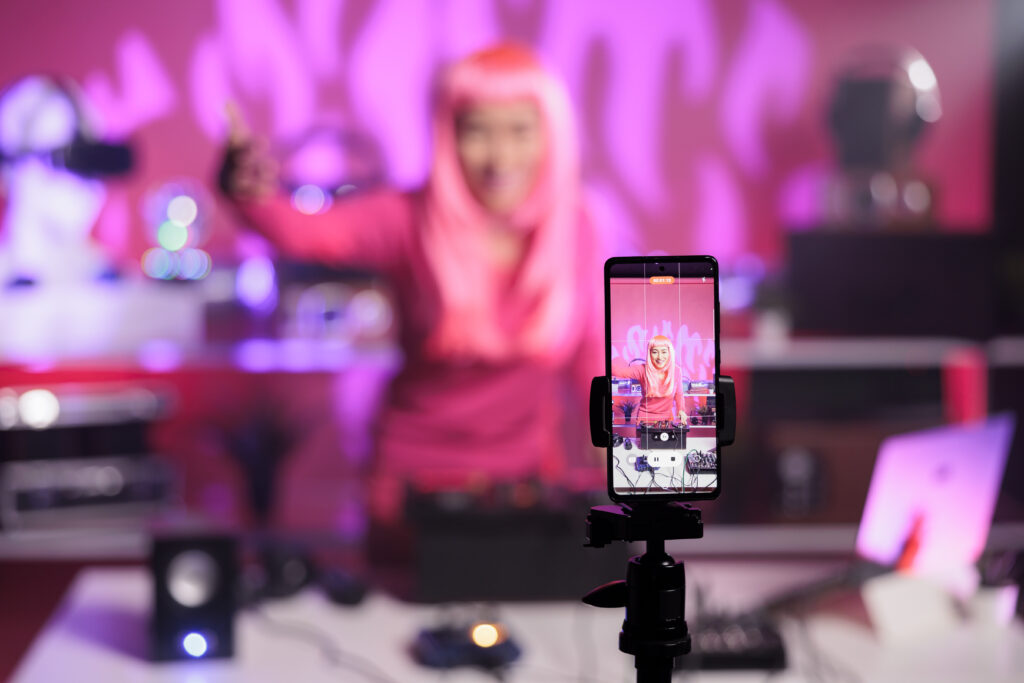
Why YouTube. YouTube was a different story. We’d already worked with 300+ creators there, so the process was familiar and easy to manage. We ended up publishing 50+ videos across the platform.
Here’s something every small brand should know: if your product doesn’t have a distinctive design or standout features, it’s hard to get influencers—especially the great ones—excited to test it and build a video around it, unless your commission is attractive or your budget is large enough. Keep that in mind when you set expectations.
Why we skipped paid ads (for now). Our goal is to build a brand for the long term. When your product is still relatively unknown, paid ads run expensive—roughly $0.75 to $2 per click—which is a lot for a small brand to absorb. So instead of chasing clicks, we focused on exposure: getting our brand in front of people so they’d seek us out themselves.
How we found and picked 50+ YouTubers
Our workflow: software plus a manual touch.
In practice, we combine tools with hands-on work. We use an influencer platform called NoxInfluencer, which gives access to millions of creators across TikTok, Instagram, X and YouTube, along with their contact details. Its built-in AI tool can even help draft and optimize your outreach emails.
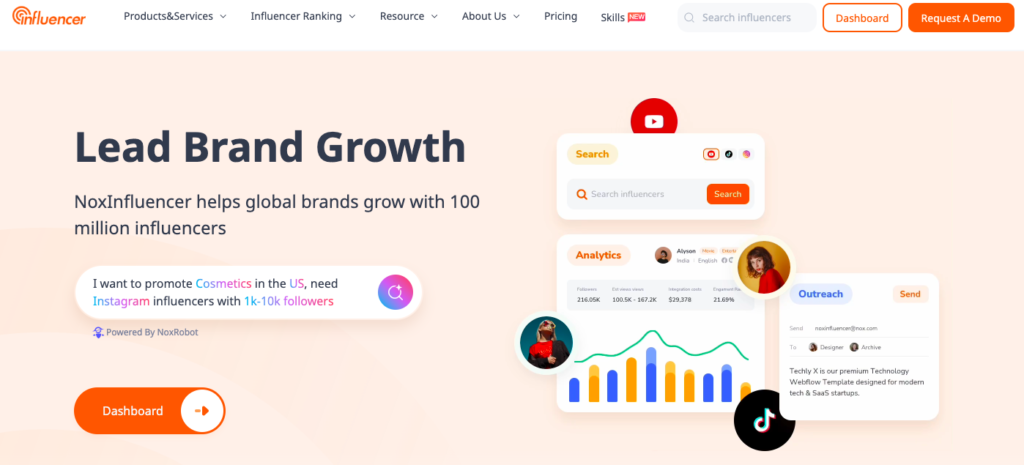
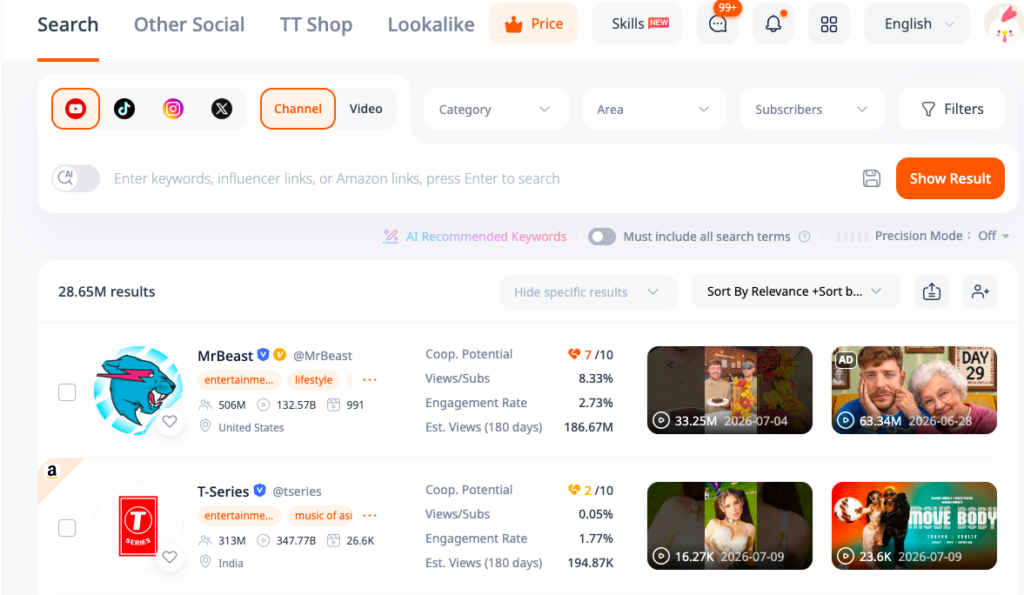
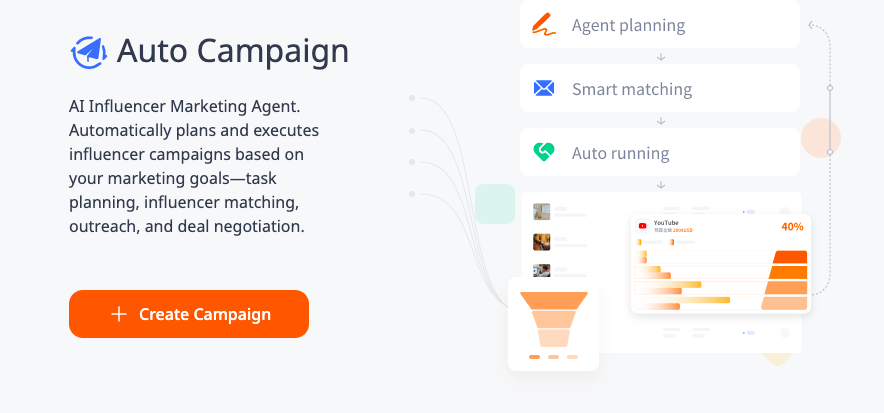
For YouTubers, the process is smooth—you can grab their email directly and send your pitch. For TikTok and Instagram, it takes an extra step: you click through to their profile and reach out there. Either way, it speeds up the work considerably. For bigger influencers, we sometimes skip the platform and email them directly with a tailored message.
How we screen influencers. Before working with a creator, we look at four things:
- Language. Since we focus on the U.S. market, we work with English-speaking influencers—mostly from the USA, Canada, and UK.
- Views. We check their last 10–15 videos and calculate the average. For our photography niche, we typically look for creators averaging 2,000–5,000+ views.
- Comments. We read the comments to see what followers actually talk about. If people regularly discuss the products a creator recommends, that’s a strong signal—it suggests the influencer can drive real sales, not just exposure.
- Content fit. Check whether the creator’s content genuinely fits your product and audience. It also tells you the audience’s spending level—whether most of them could comfortably afford a $100+ product or are better suited to something under $30.
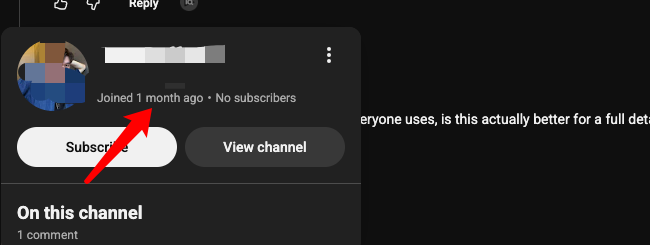
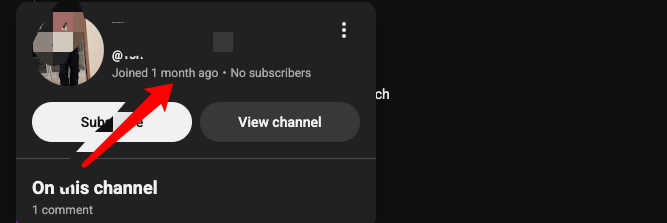
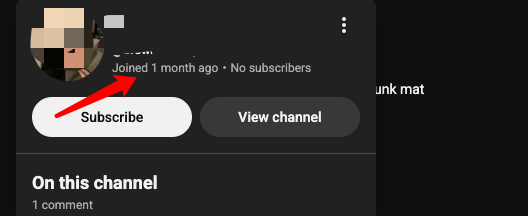
A warning about fake influencers. We remain cautious of creators with impressive metrics that fail to hold up under scrutiny. When we click into those comments, we sometimes find the accounts were all created within the last few months. That’s a red flag.
As a rule of thumb, if a creator’s engagement rate (comments ÷ views) is above 0.05%, we’ll consider working with them. Keep in mind this benchmark is specific to our photography niche and won’t necessarily apply to other industries.
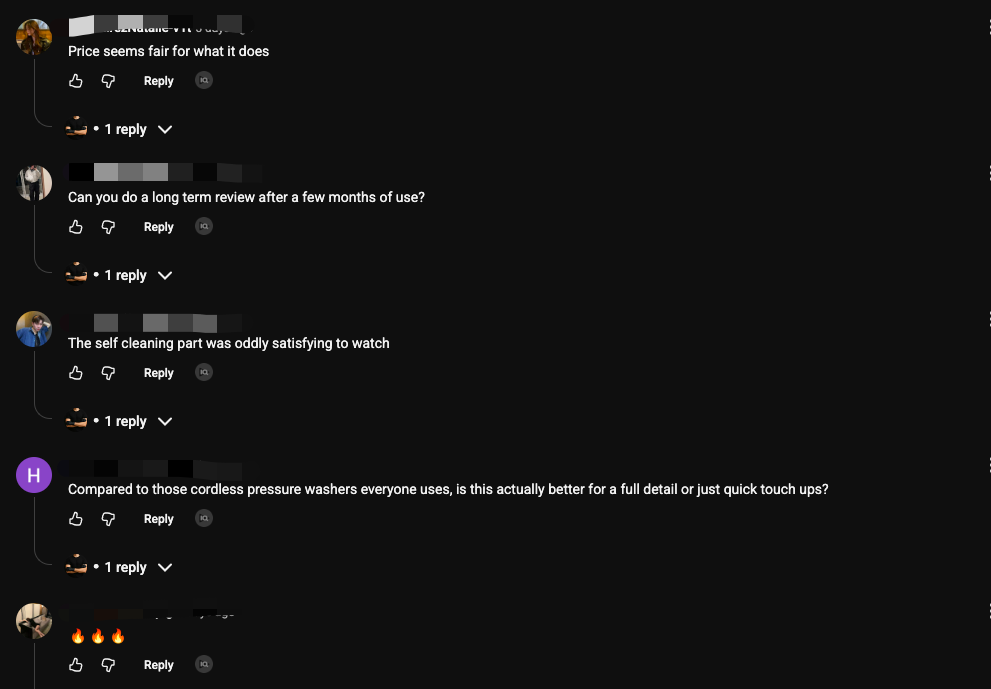
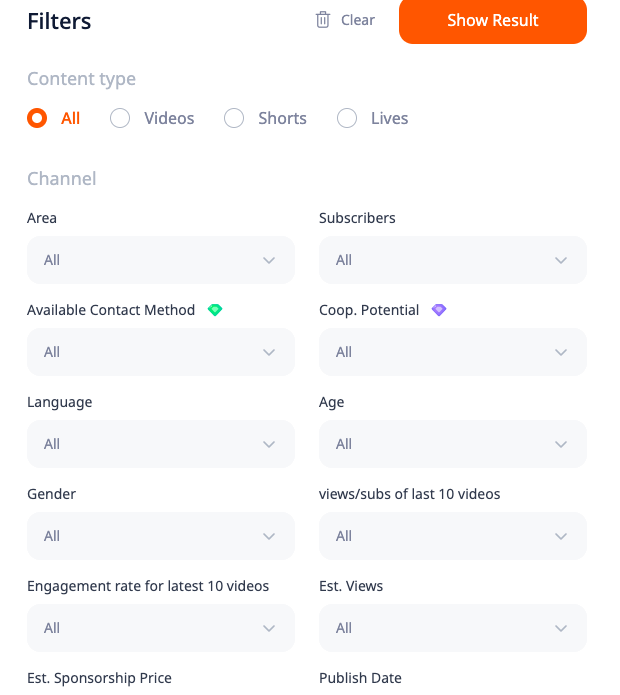
Getting started on the platform. It’s simple to use: type in a keyword for your product or target audience, and you’ll get a list of relevant influencers. From there, you can filter using the metrics above.

What we paid and how we negotiated
Our approach: the pyramid model. We work with influencers using what we call a pyramid model—many nano-influencers at the base, a smaller group of micro-influencers in the middle, and just a few large creators at the top. Here’s how we break it down:
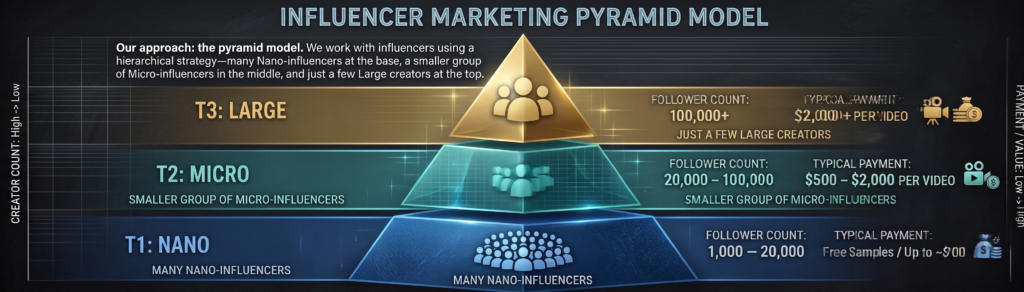
| Tier | Follower count | What we typically pay |
| Nano | 1,000–20,000 | Free product sample; up to ~$200 if they require payment |
| Micro | 20,000–100,000 | $500–$2,000 per video |
| Large | 100,000+ | $2,000+ per video |
Adjust based on reality, not just follower count. These are starting points, not fixed rules. If a creator with 30,000 followers makes excellent videos averaging 10,000–20,000 views, we’re happy to pay $2,000. But if someone has 150,000 followers with weak content and low view counts, we’ll pass.
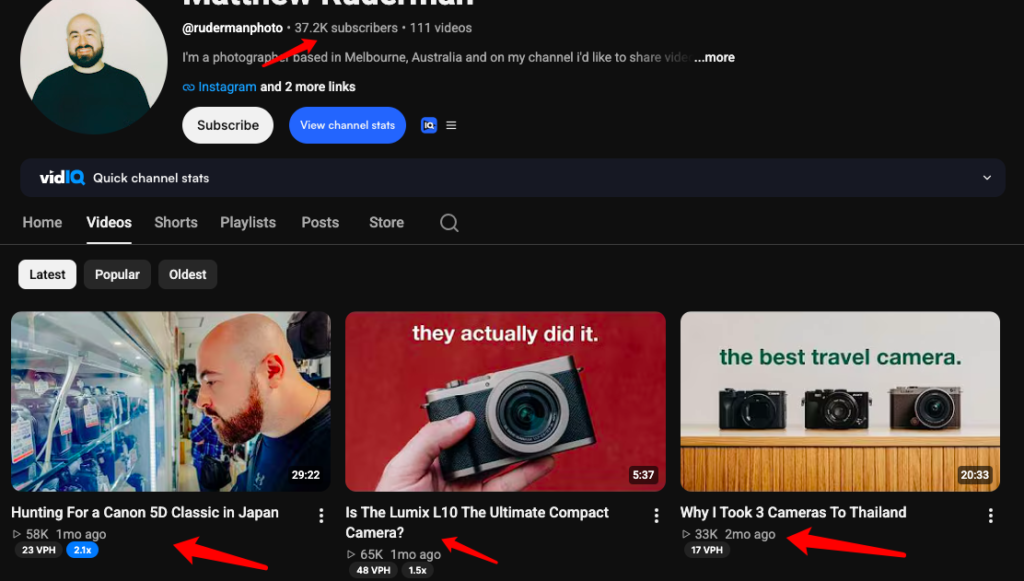
One thing to keep in mind: influencer rates are rising fast, especially in the U.S. To manage costs, we sometimes opt for an integration (a 60–90 second segment within a larger video) rather than a dedicated video. If you do this, work only with creators whose engagement is above your target rate, and ask them to place your product segment as early in the video as possible. In our experience, the beginning and middle of a video perform best; the end performs worst.
You can also structure deals on a commission-plus-fixed-fee basis. It comes down to a conversation—negotiate the structure that fits your budget.
The deal structure that worked
Give your influencers as much freedom as possible. These creators have far more experience than you do on their own platform. They know what works and what their audience enjoys. Resist the urge to pile on restrictions—give them room to do what they do best.
What you should provide is a clear product brief, including:
- Key features and functions
- Target audience
- A simple how-to-use guide
- The situations or use cases your product fits
- The timeline
- A discount code and your product links
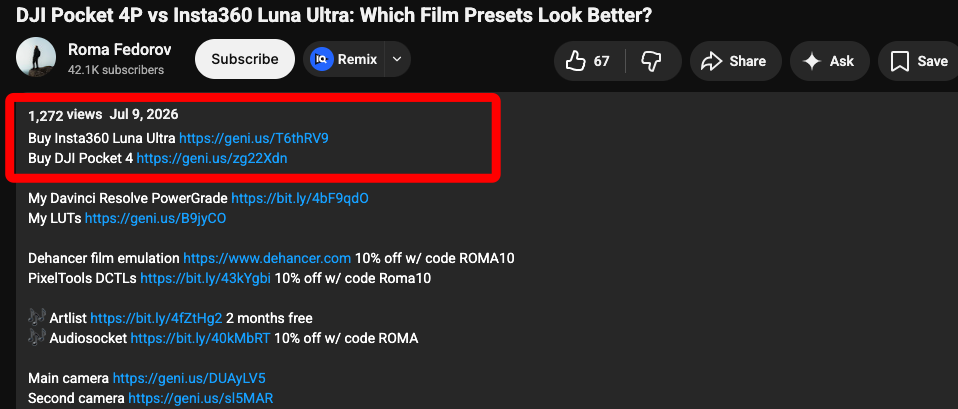
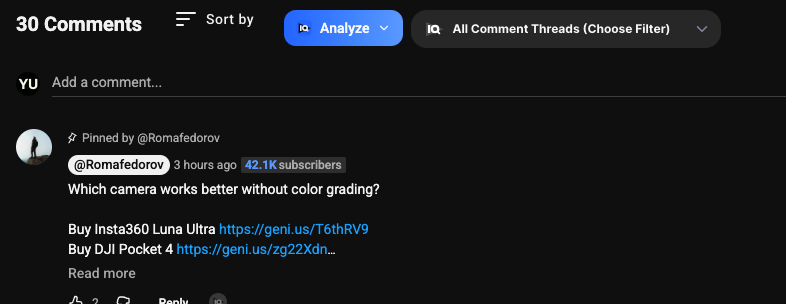
One important tip on placement: ask creators to put your store and brand links near the front of the video and to pin them in the first comment. If the links and brand info are buried at the end, most viewers never see them—and you lose a valuable chance to drive traffic.
Finally, tell your audience the launch date ahead of time, so interest is already building when your product goes live.
How we tracked orders back to the creators
Since our products sell on Amazon, we give each creator a specific attribution (affiliate) link. Once the campaign runs, we ask them to share their numbers—clicks, page views, add-to-carts, and orders. This tells us exactly which creators performed and which partnerships need rethinking.
Ask for their YouTube analytics, too. If a creator is willing to share their channel data, it’s worth requesting, because it reveals things you can’t see from the outside:
- The real performance. Public numbers often differ from what’s happening behind the scenes. Their analytics show the true picture.
- What else their audience watches. You can see which other videos viewers watch alongside theirs—useful for shaping your content strategy next time.
- How viewers found the video. You’ll learn which search keywords surfaced the video and where the audience came from.
What worked, and what flopped
Across 50+ creators, some will outperform and some will disappoint. After the campaign, we reviewed each one.
A micro-creator with 26.1K subscribers drove 400 clicks and 50 orders, far above their tier.” This balances the flop story below and makes the section credible.
One creator stood out early—on paper, I expected great things. But the results fell short. Digging in, I found the videos had strong views but weak conversions. The reason? Just a few weeks before our campaign, this creator had promoted another brand selling a similar product at a similar price, to the same audience.
That taught us an important lesson: if a creator has recently promoted a comparable product—same category, same or lower price—wait a month or two before running your own campaign with them. Their audience has likely already bought, so if you follow too closely, your product may earn good reviews but few orders.
This matters even more in photography, where most purchases aren’t impulse buys. Photographers upgrade cameras and accessories on a slow cycle, not week to week. So before you sign a creator, find out whether they’ve recently worked with a competitor.
What we’d do differently next time
- Vet for recent competitor promotions before signing, not after—the single biggest miss of the campaign.
- Push for earlier link and product placement in every deal, since end-of-video placement cost us visible traffic.
- It’s crucial to secure sufficient inventory in advance. In e-commerce, if traffic and search volumes surge but you run out of stock, all that hard-earned traffic is completely wasted.
Should you try this?
If your company wants to build a real brand—with a vision spanning your whole product line and a wide audience—you’ll need to invest seriously in marketing: influencers, blogs, media, email, and paid ads working together. Be realistic: brand-building takes time, money, and sustained effort. You may not see standout results in one month, two months, or even a year or two. It’s a long game, and a six-figure exposure campaign like ours only makes sense if you’re playing it.
If you’re a solo founder or a small company without that budget, don’t worry—there are leaner ways to grow:
- Build a private community or group
- Run email marketing paired with discount codes
- Partner with a handful of small (nano) influencers on free-product deals
- Create your own channel to sell and promote your products directly
The principles in this playbook—vetting creators, the pyramid model, smart link placement, honest tracking—scale down to any budget. The spend changes; the fundamentals don’t.
Whether you could try our marketing methods, or not, it all depends your budget and your real situation and your industry.
Frequently asked questions
How much do YouTubers charge for a promotion? It varies widely by audience size and engagement. As a rough guide, nano-creators (1,000–20,000 followers) often accept a free product or up to ~$200, micro-creators (20,000–100,000) charge $500–$1,000 per video, and larger creators (100,000+) charge $2,000 or more. Actual view counts and engagement matter more than follower count, so adjust accordingly. These data is based on our photography industry and different product and segement maybe lower or higher.
What’s a good engagement rate for an influencer? It depends on your niche. For our photography campaigns, we use a comments-to-views ratio above 0.05% as a minimum benchmark. Other industries will have different norms, so calculate the average across creators in your own niche before setting a threshold.
Does influencer marketing work for small or unknown brands? Yes, but usually as a brand-awareness play rather than a instant-profit channel. Our campaign lost money on direct sales in month one but bought 1.2 million views and long-term brand recognition. If your goal is immediate ROI, set expectations carefully and you could use paid ads, email marketing and work with big influencer and it may offer me direct sales. if it’s building a brand, it’s one of the most effective channels available.
How many influencers should a startup work with? There’s no fixed number—it depends on budget and goals. We used a pyramid model: many nano-creators, fewer micro-creators, and a few large ones. Starting with a handful of well-vetted nano and micro creators is a sensible, low-risk way to test what converts before scaling. So, you could use little money to work with micro-creators to check your products reactions in the market and if it is good and you could invest money working with big influencers or youtubers.
How do you track sales from a YouTube influencer? Give each creator a unique affiliate or attribution link, and ask them to report clicks, page views, add-to-carts, and orders. If they’re willing to share their YouTube channel analytics, you’ll also learn how viewers found the video and what else their audience watches—useful for planning future campaigns.
Should I choose YouTube or TikTok for influencer marketing? It depends on your product and setup. TikTok often requires a TikTok Shop and enough samples to test many creators quickly, while YouTube is easier to manage if you already have creator relationships and want longer-form, evergreen content. Consider where your target audience actually spends time.