How to Choose YouTube Influencers for Your Brand
Subscriber count is a context metric, not a decision metric. Before signing a partnership, brands should evaluate whether a creator reaches the right audience, performs well on relevant topics, handles sponsored content effectively, communicates clearly, and offers reasonable commercial terms.
Why Subscriber Count Is Not Enough
More brands are working with YouTube creators because a strong video can explain a product, influence buying decisions, and keep attracting views after publication.
However, a large subscriber count does not automatically make a creator suitable for your campaign. A channel may have many subscribers but a weak match with your product, low recent views, or an audience outside your target market.
- The audience may follow the creator for a different topic and have little interest in your product.
- A large share of subscribers may be inactive or may have joined after an old viral video.
- The creator may attract viewers in countries where your product is unavailable or outside your sales plan.
- The creator’s strongest videos may be about major launches, news, or entertainment rather than your product category.
- Sponsored videos may perform differently from regular content.
Important correction: Low views compared with subscriber count do not prove that followers are fake. They can also reflect an inactive audience, a content change, old viral growth, or weak topic demand. Treat the gap as a reason to investigate, not as proof of fraud.
The 9 Metrics to Evaluate
1. Audience and Market Fit
First, check whether the creator reaches the customers you want to influence. Audience location matters, but it is only one part of the decision.
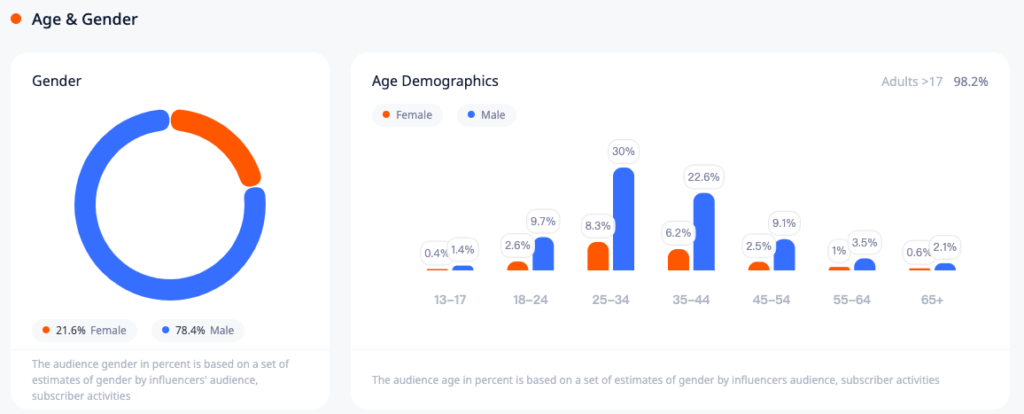
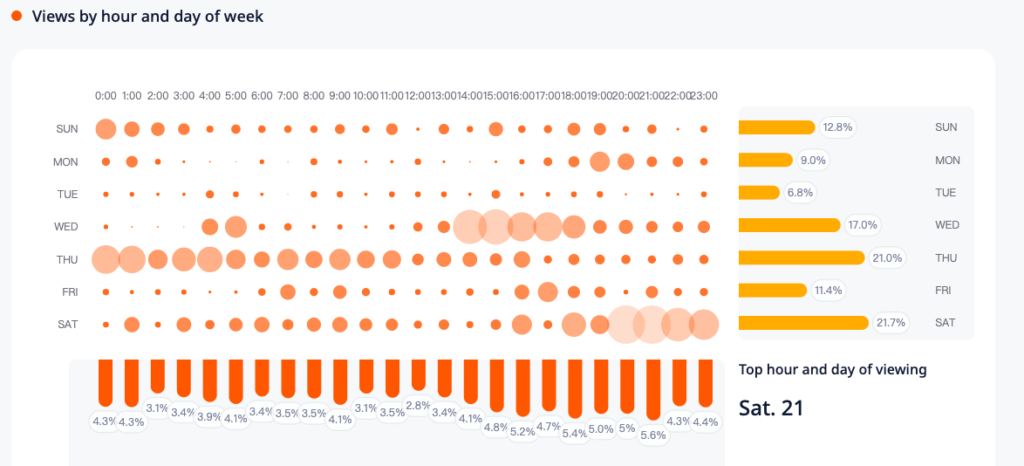
For serious paid partnerships, ask for first-party YouTube Analytics screenshots. Useful reports include Top geographies, Age and gender when available, Channels your audience watches, and What your audience watches. YouTube may limit demographic data when a channel does not have enough information, so missing data is not automatically a red flag.
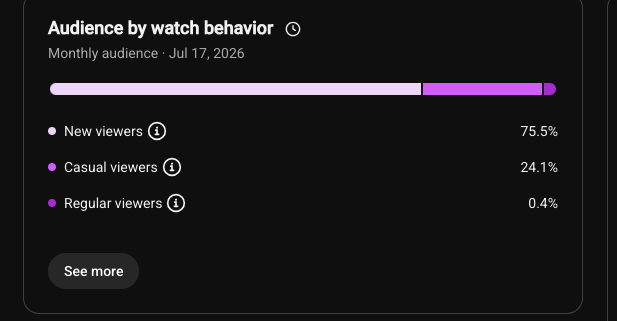
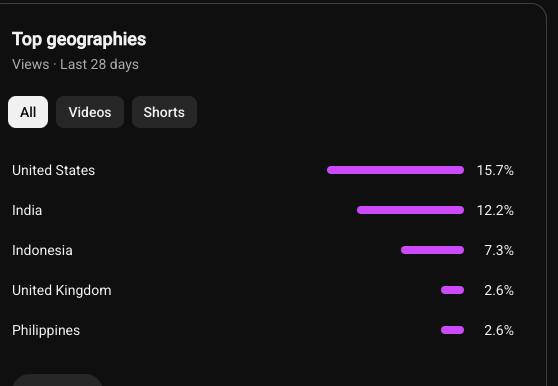
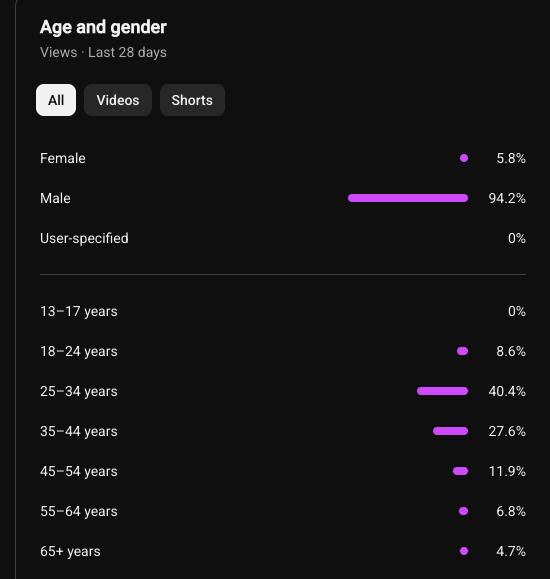
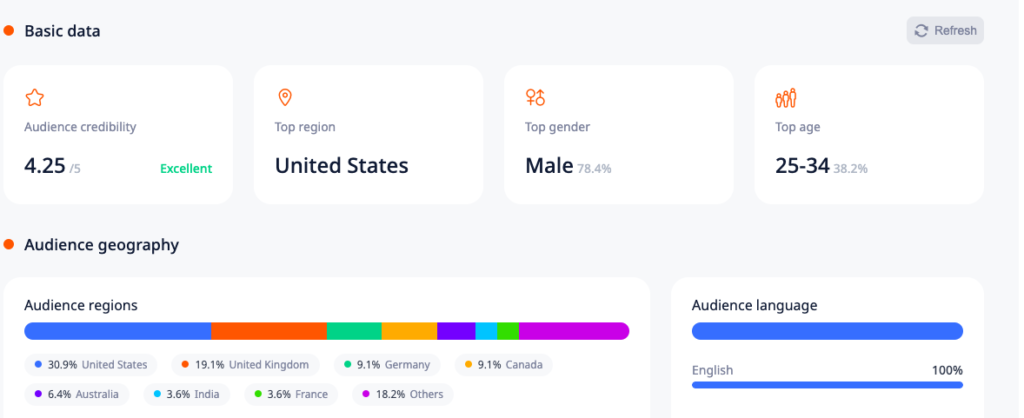
Third-party influencer tools can help with early screening, but their audience estimates should not be treated as verified data. Language, video topics, and comments can provide clues when first-party data is unavailable, but they are weaker evidence—especially for English-language channels with international audiences.
What to check
- Target-country audience share and product availability in those markets.
- Whether viewers regularly watch content related to your product category.
- For professional or high-priced products: experience level, profession, use case, and likely budget.
- Whether the creator’s audience matches the campaign goal: awareness, education, leads, or direct sales.
| Core question Does this creator reach the people most likely to understand, need, trust, and buy our product? |
How to Estimate Buying Power
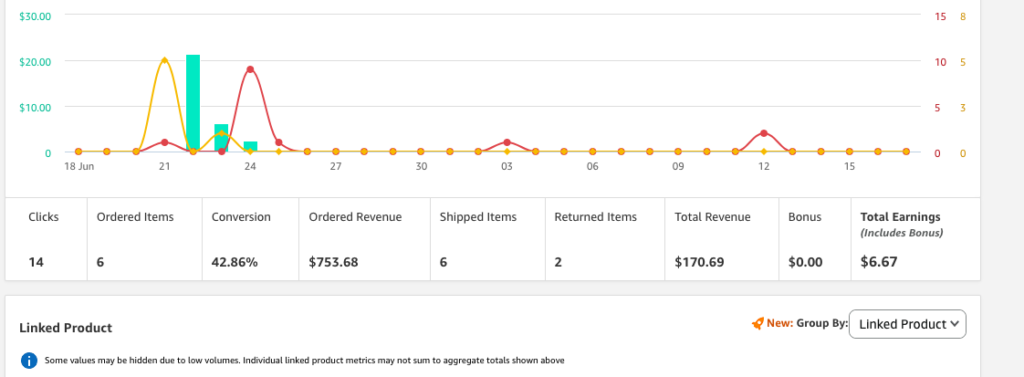
Buying power is difficult to verify before a first collaboration. Ask whether the creator can share anonymized results from Amazon Associates, another affiliate program, or previous brand campaigns. The most useful evidence is the type and price of products sold, clicks, conversion rate, and the time window used.
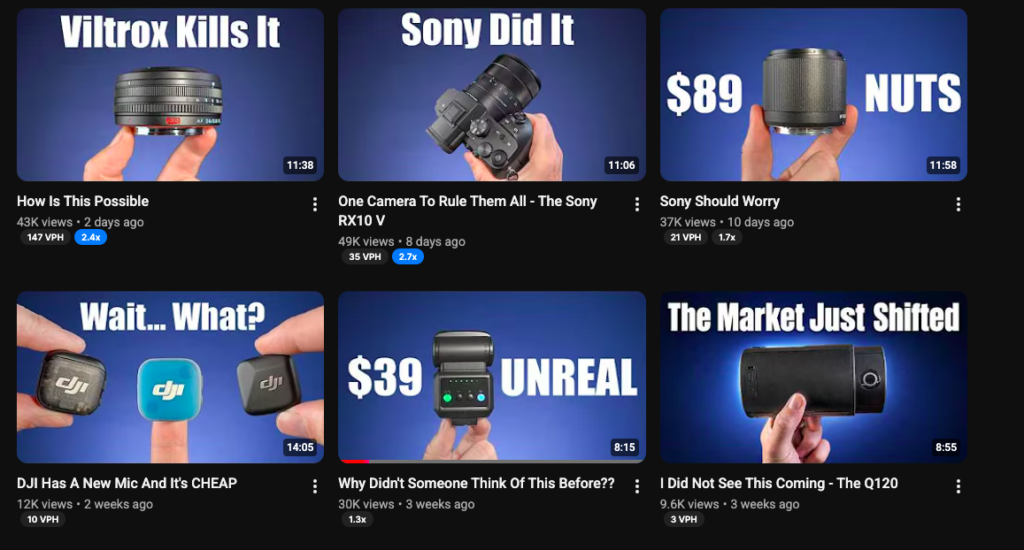
You can also review the creator’s latest 10 to 15 relevant videos and note the price range of products that perform well. This is only a heuristic: videos about expensive products do not prove that viewers purchased them. Use it to form a hypothesis, then validate that hypothesis with a small tracked campaign.
2. Median Views on Relevant Videos
Median views help estimate how the creator normally performs on topics similar to your product. This is usually more useful than subscriber count, channel-wide averages, or one viral upload.
How to calculate it
- Select 10 to 15 videos with a similar topic and format, such as reviews, comparisons, tutorials, or dedicated sponsorships.
- Compare videos at a similar age. The best option is creator-supplied 30-day view data. If you only have public data, avoid comparing a two-day-old upload with a two-year-old video.
- Sort the view counts from lowest to highest.
- For an odd number of videos, choose the middle value. For an even number, average the two middle values.
The median reduces the effect of unusually high or low results. It can help forecast expected exposure, compare creators, and decide whether a fee is reasonable. It cannot directly predict sales.
| Example If 15 relevant videos range from 8,700 to 126,000 views and the eighth value is 28,000, the median is 28,000. A future campaign forecast should start near the median and then adjust for topic demand, product fit, title, thumbnail, format, and sponsorship history. |
| Data Collected -till 2026/7/18 | Video title | Brief description | Approx. views |
|---|---|---|---|
| 1 | How Is This Possible | Curiosity-driven gear review built around a product delivering unexpectedly strong performance. The product name is intentionally withheld from the title. | 42K (youtube.com) |
| 2 | 24–600mm In ONE Camera – The Sony RX10 V | Examines the Sony RX10 V as an all-in-one camera, focusing on the convenience and versatility of its 24–600mm-equivalent zoom range. | 49K (youtube.com) |
| 3 | Sony Should Worry | Reviews a competing camera or lens positioned as a serious threat to Sony. The specific product is hidden to create curiosity. | 35K (youtube.com) |
| 4 | DJI Has A New Mic And It’s CHEAP | Hands-on review of a new affordable DJI wireless microphone, focusing on value and creator-friendly features. | 12K (youtube.com) |
| 5 | Why Didn’t Someone Think Of This Before?? | Presents an unusually practical camera or creator accessory whose design solves an obvious workflow problem. | 30K (youtube.com) |
| 6 | Why Neewer Is TAKING OVER The Flash Market | Looks at Neewer’s recent flash products and explains why their pricing, features and ecosystem are becoming more competitive. | 8.7K (youtube.com) |
| 7 | This Cheap Setup Is All You Need | Demonstrates a budget camera or video setup positioned as sufficient for most everyday content-production needs. | 16K (youtube.com) |
| 8 | The Insta360 Luna Ultra – It Shocked Me | Review and first impressions of the Insta360 Luna Ultra, highlighting the features or results that exceeded expectations. | 57K (youtube.com) |
| 9 | Ulanzi Fixed my Sony Camera For Me | Reviews a Ulanzi accessory that addresses an ergonomic, mounting or usability issue with a Sony camera setup. | 17K (youtube.com) |
| 10 | I Can’t Believe It | Surprise-led review of a camera/video accessory. Related indexed results suggest that the video concerns an external camera-monitor solution, although the product is not named in the title. | 22K (youtube.com) |
| 11 | Sony Should Be Scared – Thypoch 24–50mm f/2.8 | Reviews the Thypoch 24–50mm f/2.8 and evaluates it as a lower-cost alternative to Sony’s own lenses. | 26K (youtube.com) |
| 12 | Insta360 Mic Pro — 4 Things No Other Wireless Microphone Can Do | Demonstrates four distinctive functions that differentiate the Insta360 Mic Pro from conventional wireless microphone systems. | 44K (youtube.com) |
| 13 | Stop Shooting Auto: Make Your DJI Pocket 4 Look Pro! | Tutorial explaining how manual exposure and image settings can produce more controlled, professional-looking DJI Pocket 4 footage. | 18K (youtube.com) |
| 14 | It’s Too Good – Sony A7R VI with Gerald Undone | Extended discussion and evaluation of the Sony A7R VI with Gerald Undone, focusing on its performance, features and positioning. | 126K (youtube.com) |
| 15 | Freewell Blows Everyone Away – The Thinnest VND / CPL | Reviews Freewell’s unusually thin variable-ND and circular-polarizer filter system, including its portability and practical operation. | 28K (youtube.com) |
Median views
The approximate view totals, arranged from lowest to highest, are:
8.7K, 12K, 16K, 17K, 18K, 22K, 26K, 28K, 30K, 35K, 42K, 44K, 49K, 57K, 126K
With 15 videos, the median is the eighth value:
Median: approximately 28,000 views
Across his 15 most recent videos, view counts ranged from approximately 8,700 to 126,000. However, the median view count was around 28,000. This means that half of the videos received more than 28,000 views, while the other half received fewer. For brands, this median is often more useful than the average because it is less affected by one unusually successful video.
In this case, the average view count was higher than the median because one video reached more than 100,000 views. Using that viral result as the main benchmark could lead a brand to overestimate the likely exposure of a sponsored video. A more realistic expectation would be approximately 20,000 to 30,000 views for a typical upload, depending on the product, topic, title, thumbnail and level of audience interest.
Product category should also be considered. Camera launches, Sony-related topics and popular creator technology may attract more views than specialist lighting equipment. Therefore, a flash brand should not automatically assume that every sponsored video will reach the channel-wide median.
3. Sponsored-Content Performance
A creator may perform well on normal uploads but lose audience interest when a video feels overly commercial. Review comparable sponsored videos to see whether the creator can integrate a product naturally.
One useful internal diagnostic is the sponsored performance ratio:
Median views of comparable sponsored videos ÷ Median views of comparable organic videos × 100
For example, if comparable organic videos have a median of 30,000 views and sponsored videos have a median of 21,000, the ratio is 70%. This is not a universal industry benchmark. Use it only when the topics, formats, publication ages, and audience conditions are reasonably similar.
Also review comments, product questions, tracked clicks, discount-code use, and creator-reported campaign results. Lower views do not always mean failure: a smaller video may still produce useful sales or reusable content.
4. View Consistency and Outliers
View consistency shows whether a creator offers predictable exposure or depends on occasional viral results.
- Compare the median, highest, and lowest views across 10 to 20 recent relevant uploads.
- Identify why high outliers performed well: major launch, trending topic, famous guest, search demand, or strong packaging.
- Identify why low outliers underperformed: weak topic fit, low demand, seasonality, poor title, or an overly promotional format.
Do not remove outliers without analysis. They reveal which topics create upside and which categories carry risk. For budgeting, use the median and a conservative range rather than the highest-performing video.
5. Engagement and Comment Quality
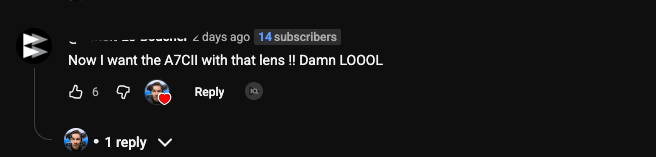
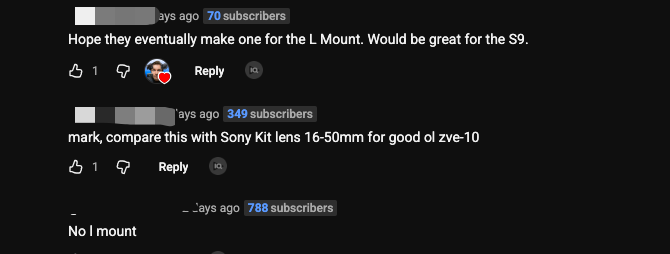
Engagement helps you understand whether viewers are passive or actively considering the topic. Comment quality is often more useful than comment volume.
- Low-value signals: repetitive praise, generic comments, unrelated replies, or obvious spam.
- Higher-intent signals: questions about price, compatibility, availability, results, alternatives, and real use cases.
Comments can indicate interest and objections, but they do not prove purchase intent or conversion. Use them as qualitative evidence alongside views, clicks, affiliate results, and post-campaign analytics.

6. Content Expertise and Product Demonstration
A good creator should do more than repeat specifications. They should connect product features with customer problems and show what happens in real use.
- Explains the product in language the target customer can understand.
- Demonstrates settings, compatibility, workflow, results, and limitations.
- Uses samples, comparisons, tests, or real scenarios where appropriate.
- Corrects mistakes and avoids unsupported technical or performance claims.
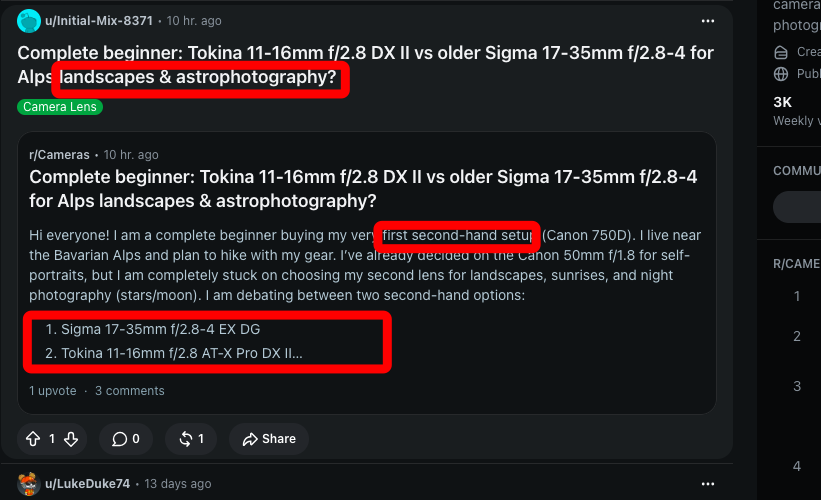
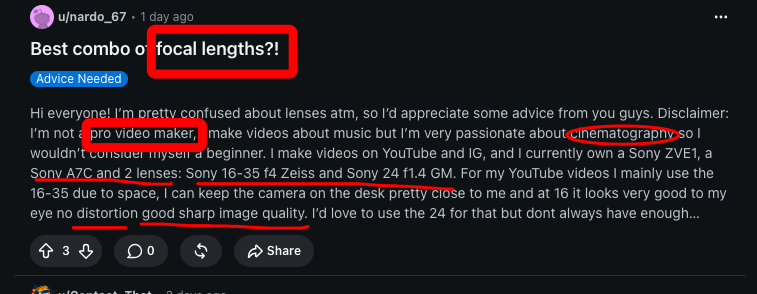
Before evaluating a creator, define the product’s main customer, use cases, pain points, proof requirements, and common objections. YouTube comments, product reviews, forums, support tickets, and Reddit discussions can help identify the questions a strong video should answer.
7. Brand Safety and Credibility
Review whether the creator’s public content, sponsorship history, and communication style are compatible with the brand’s risk level.
- Look for clear sponsorship disclosure and balanced product opinions.
- Review serious public controversies, repeated factual errors, copyright concerns, and unresolved sponsor disputes.
- Check for conflicts with competitors, regulated claims, or unsafe product categories.
A creator who discusses both strengths and limitations may be more credible than one who praises every product. Independent criticism is not the same as brand risk.
8. Reliability and Publishing Consistency
Public upload frequency is useful, but it does not prove that a creator will meet a sponsorship deadline. Confirm the production schedule directly.
- Ask for the expected testing, filming, review, and publication timeline.
- Agree on factual review, revision limits, links, disclosure, and reporting.
- Assess response quality and whether the creator communicates delays early.
For a first partnership, reduce risk with a smaller project, a clear written agreement, and realistic timing.
9. Pricing, Rights, and Expected ROI
A creator’s fee should be evaluated against expected reach, audience quality, content format, production effort, commercial results, and the rights included.
- Usage period, regions, raw footage, editing rights, and competitor exclusivity.
- Dedicated video or integrated placement.
- Description link, pinned comment, Shorts, or other social posts.
- Usage rights for ads, websites, product pages, and social channels.
Expected ROI is a scenario, not a promise. Model conservative, expected, and upside cases using total campaign cost, expected views, clicks, conversion rate, contribution margin, and content reuse value.
| Total campaign cost Creator fee + product cost + shipping + duties + agency fees + paid amplification + usage rights + internal production and management costs. |
YouTube Influencer Vetting Scorecard
Use the scorecard to make comparisons more consistent. The weights below are a sample. Adjust them to your product, price, market, and campaign goal.
| Metric | Weight | What to evaluate |
| Audience and market fit | 20% | Target customers, geography, category interest, product access |
| Median views on relevant videos | 15% | Comparable topics and formats, similar time window |
| Sponsored-content performance | 10% | Sponsored vs. comparable organic performance |
| View consistency and outliers | 10% | Normal range, trend, upside and downside risk |
| Engagement and comment quality | 10% | Relevant questions, discussion quality, abnormal signals |
| Content expertise and demonstration | 15% | Accuracy, explanation, tests, samples, real use |
| Brand safety and credibility | 10% | Disclosure, reputation, balanced opinions, conflicts |
| Reliability and publishing consistency | 5% | Communication, timeline, delivery process |
| Pricing, rights, and expected ROI | 5% | Fee, deliverables, rights, scenario economics |
Weighted score formula: Score ÷ 5 × category weight.
| Final score | Suggested action |
| 80–100 | Priority partnership |
| 65–79 | Run a test campaign |
| 50–64 | Renegotiate or reduce risk |
| Below 50 | Do not proceed under the current terms |
Do not present these thresholds as an industry standard. They are a decision framework that should be calibrated using your own campaign history.
Red Flags Before a YouTube Sponsorship
- Relevant videos consistently perform far below the channel’s normal range.
- The channel depends on one or two viral uploads and recent performance is declining.
- Sponsored videos repeatedly underperform and attract negative audience reactions.
- Audience geography does not match the target market.
- Comments or growth patterns show possible abnormal activity that cannot be explained.
- Reviews are shallow, technically inaccurate, or make unsupported claims.
- Sponsorships are not disclosed clearly.
- The creator will not confirm deliverables, dates, rights, or reporting in writing.
- Pricing is based mainly on subscriber count or one viral video.
- The creator promises guaranteed views or sales without evidence.
Use red flags as prompts for clarification, not automatic accusations. Several unresolved risks across performance, credibility, and communication are more important than one minor issue.
Example: Comparing Three Creators
| Important The following figures are hypothetical and are used only to demonstrate the analysis. For public publishing, use anonymous labels unless the creator data and commercial results are verified and you have permission to identify the partners. | |||||
| Creator | Fee | Units sold | Attributed revenue | Fee per sale | Revenue ROAS |
| Creator A | $3,000 | 75 | $3,750 | $40 | 1.25× |
| Creator B | $1,500 | 10 | $500 | $150 | 0.33× |
| Creator C | $350 | 50 | $2,500 | $7 | 7.14× |
At a $50 selling price, Creator C has the lowest acquisition cost and strongest revenue efficiency. Creator A generates the most units but places greater pressure on contribution margin. Creator B does not cover the creator fee through attributed revenue. These calculations do not include product cost, shipping, platform fees, returns, or indirect brand value.
Questions Brand Marketers Keep Asking
A qualitative scan of public Reddit discussions shows several recurring concerns. These posts are anecdotal, not representative research, but they are useful for identifying practical questions that brand teams want answered.
How can we measure sales if affiliate links and discount codes miss conversions?
Do not rely on one attribution method. Use UTM links, affiliate links, unique landing pages, discount codes, branded-search trends, direct-traffic changes, creator-reported analytics, and a post-purchase survey asking customers how they heard about the product. Report direct attribution separately from broader influence.
Should we pay a flat fee, commission, or both?
Commission-only deals can be unattractive to established creators because last-click tracking may miss sales influenced by the video. A practical structure is a fixed production and distribution fee plus a performance bonus or affiliate commission when tracking is suitable. For untested creators, start with a smaller fixed test. From our experience, if your brand is unknown to the market, you need to pay the fee when working with Youtubers (especailly for youtuber with high performance) and if your product is interesting and good design, some youtubers love testing for free.
Final Checklist Before Contacting a Creator
- ☐ The creator regularly publishes content relevant to the product.
- ☐ The audience matches the target market and customer profile.
- ☐ Median views are calculated from comparable videos.
- ☐ Sponsored-content performance has been reviewed.
- ☐ Major outliers and recent trends have been explained.
- ☐ Comments show real discussion, not only generic engagement.
- ☐ The creator can explain and demonstrate the product accurately.
- ☐ No major brand-safety or credibility issue remains unresolved.
- ☐ Production timeline and publication date are realistic.
- ☐ Fee, deliverables, revisions, links, disclosure, and reporting are written down.
- ☐ Usage rights, paid media rights, duration, and platforms are clear.
- ☐ Campaign objective and tracking method are prepared before publication.
- ☐ The decision is documented as Proceed, Test, Renegotiate, or Reject.
Final Takeaway
The best YouTube partner is not always the creator with the largest channel. It is the creator who offers the strongest combination of audience fit, relevant reach, trusted communication, reliable delivery, and reasonable commercial terms.
Use public data to screen creators, first-party analytics to verify the audience, a scorecard to compare options, and small tracked campaigns to build your own benchmarks. No metric can guarantee sales, but a structured process can reduce avoidable risk.