Best Influencer Marketing Platforms for Small Business
Influencer marketing can be an effective way to introduce a product to relevant audiences and build trust through creators. However, for many small brands, finding the right creators is one of the most time-consuming parts of the process.
Marketing teams often search TikTok, Instagram or YouTube manually, review each creator’s content, look for contact information and send individual outreach emails. Based on our experience, researching and preparing outreach for 30–40 creators could take approximately eight hours. This is not a universal industry benchmark, but it illustrates how manual creator discovery can consume valuable time and delay a campaign.
In this guide, we review several affordable influencer marketing platforms that can help small brands discover relevant creators, organize outreach and manage campaigns more efficiently. The goal is not simply to contact as many creators as possible, but to reduce manual work and build a more qualified creator pipeline.
Noxinfluencer
NoxInfluencer
NoxInfluencer is an accessible influencer discovery and analytics platform for brands that want to reduce the time spent searching for creators manually.
According to NoxInfluencer, its database contains more than 100 million influencer records. Its public search tools currently highlight YouTube, TikTok and Instagram, while the platform also provides Twitch rankings and several free YouTube analytics tools. Brands can use filters and performance data to build an initial creator shortlist more efficiently. However, the size of the database does not guarantee that every result will be relevant or accurate, so marketers should still review each creator manually before making a decision.
After exploring the platform, I identified several functions that may be useful for small-brand influencer campaigns.
Creator Search Filters
NoxInfluencer allows you to apply filters to narrow the creator database and build a more relevant shortlist. This can save considerable time compared with searching for influencers manually on each social platform.

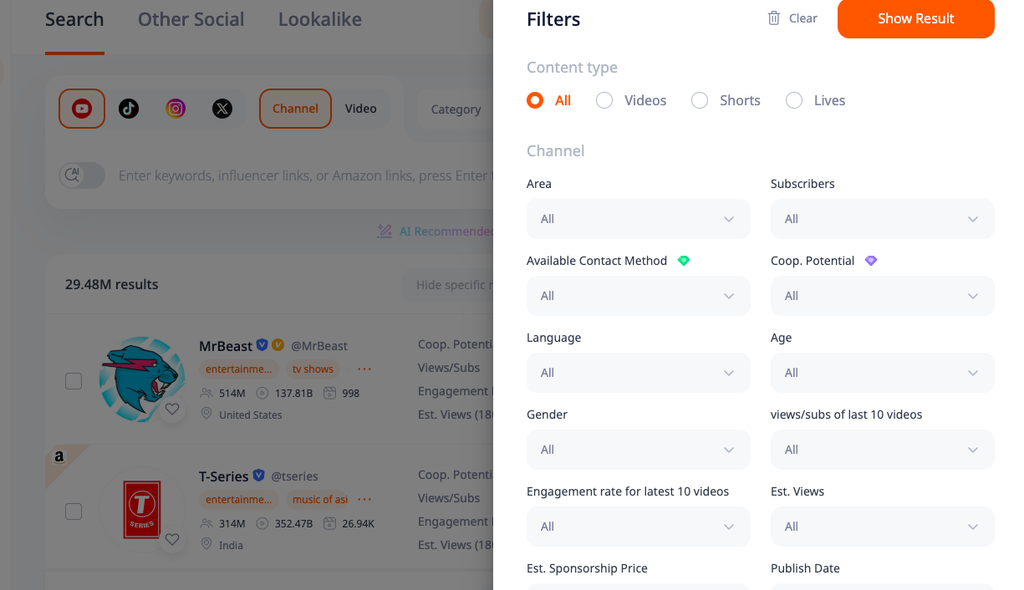
However, filters should be treated as the beginning of the selection process—not the final decision. You should still review each creator’s recent content, sponsored-post performance, audience relevance and comment quality before contacting them.
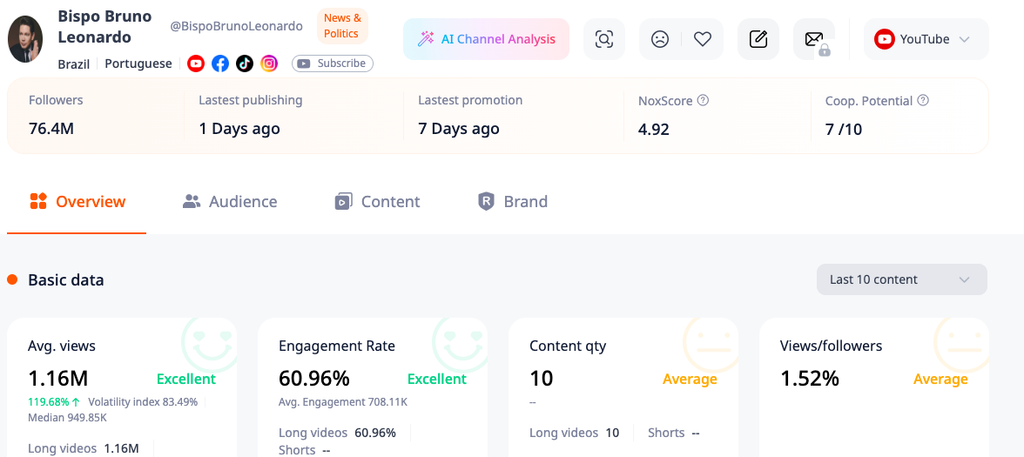
Creator Contact Information
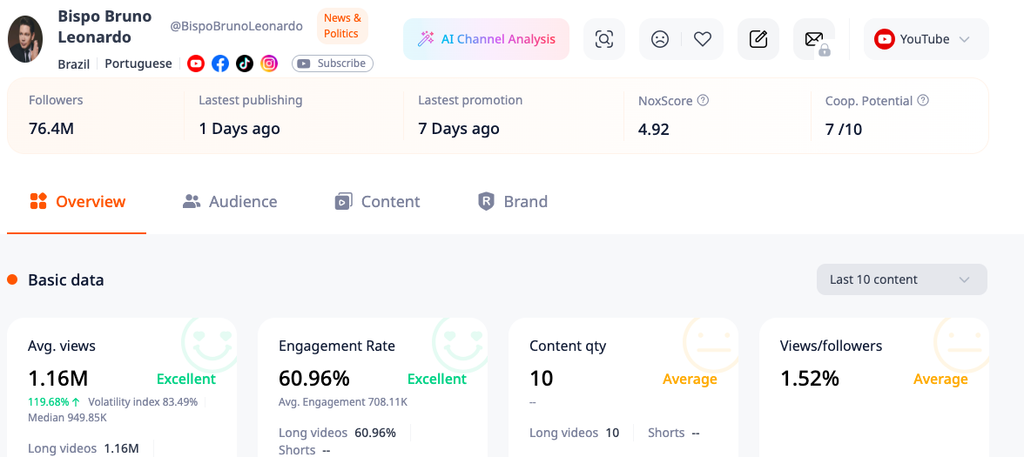
NoxInfluencer provides access to contact details for many creators in its database, which can reduce the time spent searching individual profiles for business email addresses.
However, contact availability depends on the creator and your subscription or email-credit allowance. Not every profile includes an email address, and some information may be outdated, so brands should verify the details before beginning outreach.
Bulk Email Outreach
In the past, marketing teams often contacted creators one by one. Personalized outreach remains the better approach for high-priority creators because it allows the brand to explain why the partnership is relevant and demonstrate genuine interest in the creator’s work.
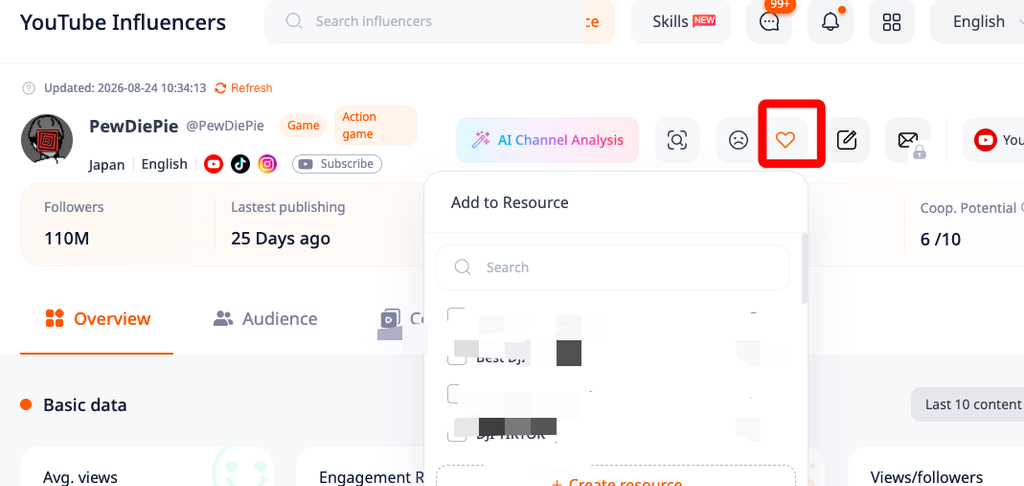
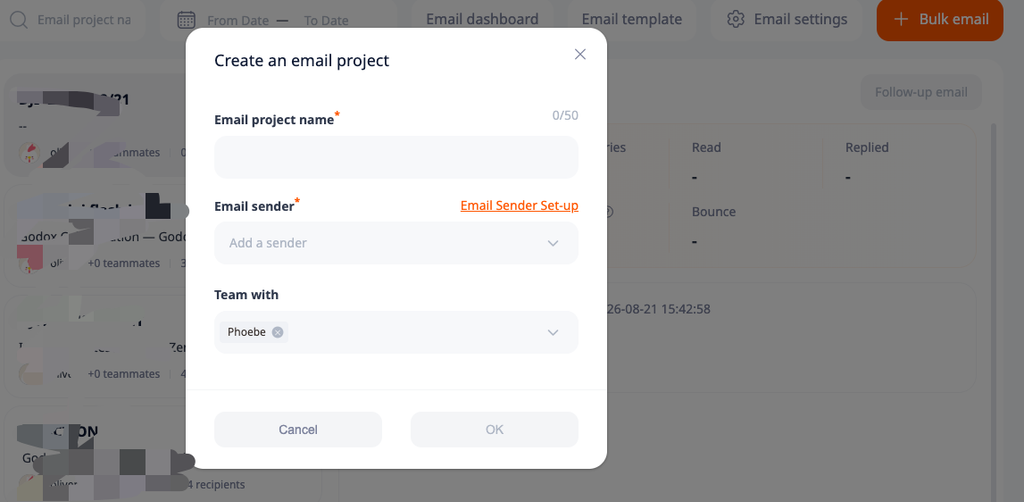
However, contacting a large group of smaller creators manually can be slow and difficult to manage. NoxInfluencer allows users to save qualified creators to a list and send email outreach in bulk using connected mailboxes and templates.
Bulk outreach should not mean sending the same generic message to everyone. Brands should segment creators by platform, niche, audience and campaign fit, then personalize important fields such as the creator’s name, content and proposed product. All outreach should also follow applicable email, privacy and disclosure requirements.
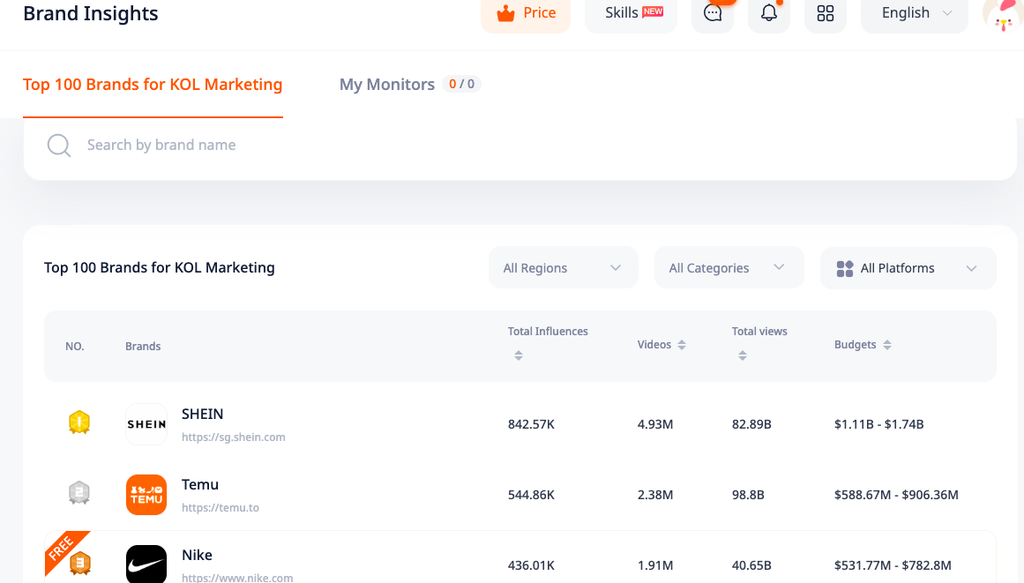
Brand Insights
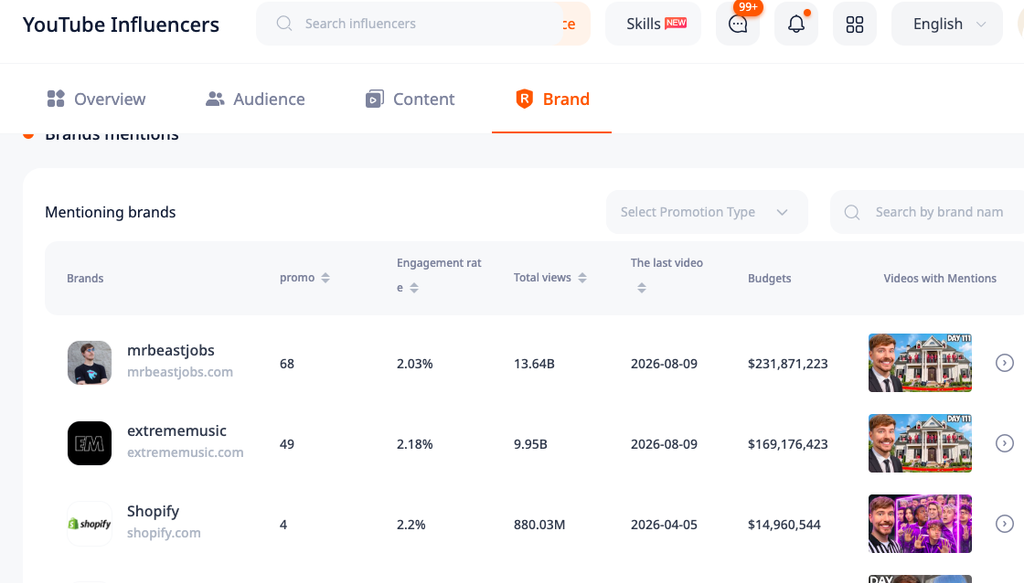
NoxInfluencer’s Brand Insights feature can help you research how competitors use creator marketing. It allows you to explore publicly identified sponsored content, collaborating creators, content formats and campaign activity.
This information can help you identify recurring creator types, messaging angles and content ideas within your market. The purpose is not to copy competitors, but to understand their visible strategy, identify gaps and develop better campaign hypotheses for your own brand.
Campaign Performance Tracking
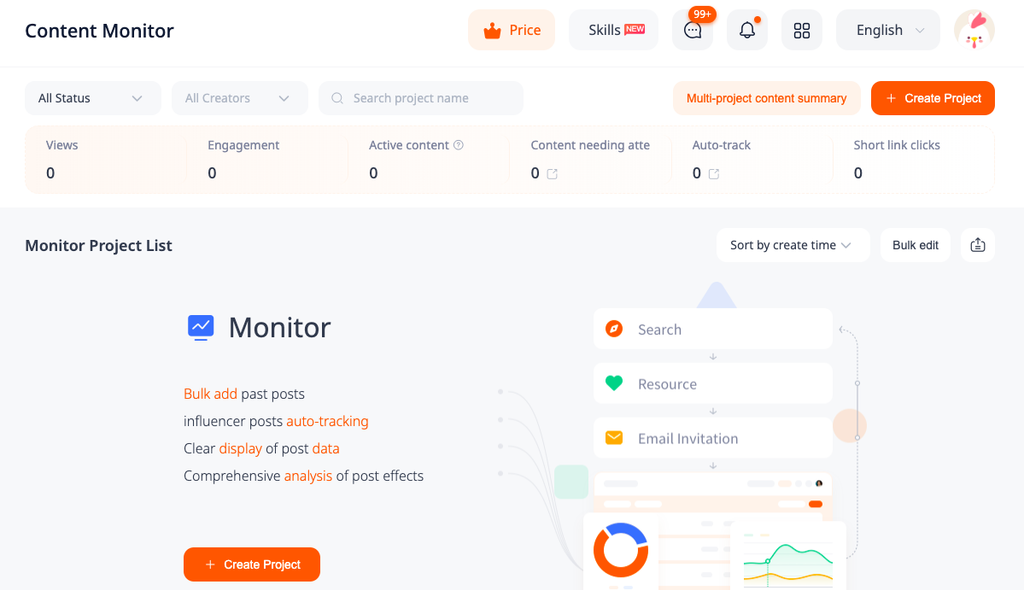
Once creators begin publishing content, brands need to monitor their performance. Many small marketing teams still collect views, engagement and publishing information manually in an Excel spreadsheet, which can slow reporting and create inconsistent records.
NoxInfluencer can centralize available creator and content-performance data in one place, making it easier to compare campaign results without updating every metric manually. According to the platform, some data is refreshed approximately every 24 hours rather than in real time.
Brands may still need separate tracking links, discount codes, ecommerce reports or Amazon Attribution data to measure clicks and sales.
Audience Analysis
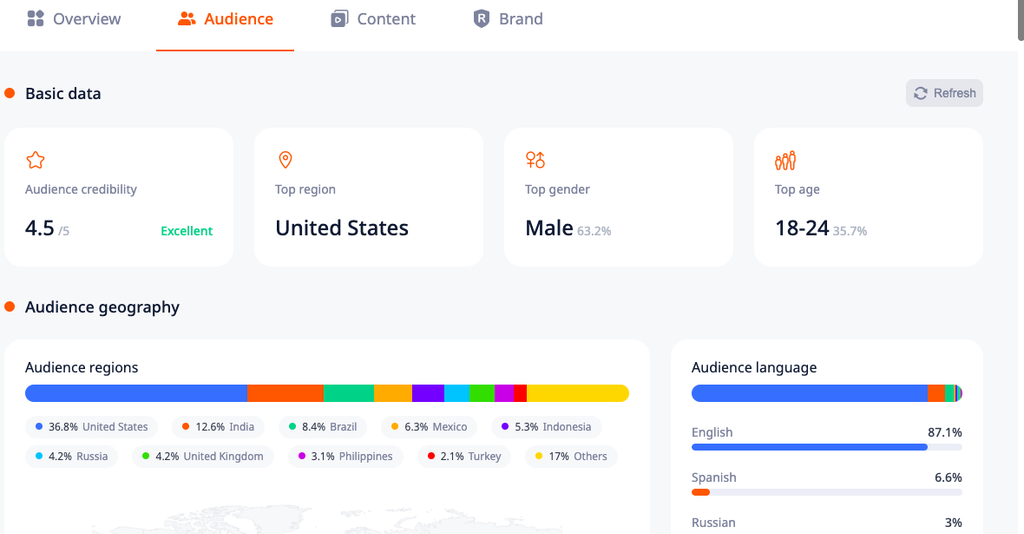
Before contacting a creator, review their audience to determine whether it matches your target customer. Pay particular attention to audience location, language, demographics and interests, where this data is available.
For example, a creator may produce relevant content but have most of their audience in countries where your product is unavailable. Audience data can improve creator selection, but it should be treated as an estimate and verified with the creator’s first-party analytics whenever possible.
Creator Content Analysis
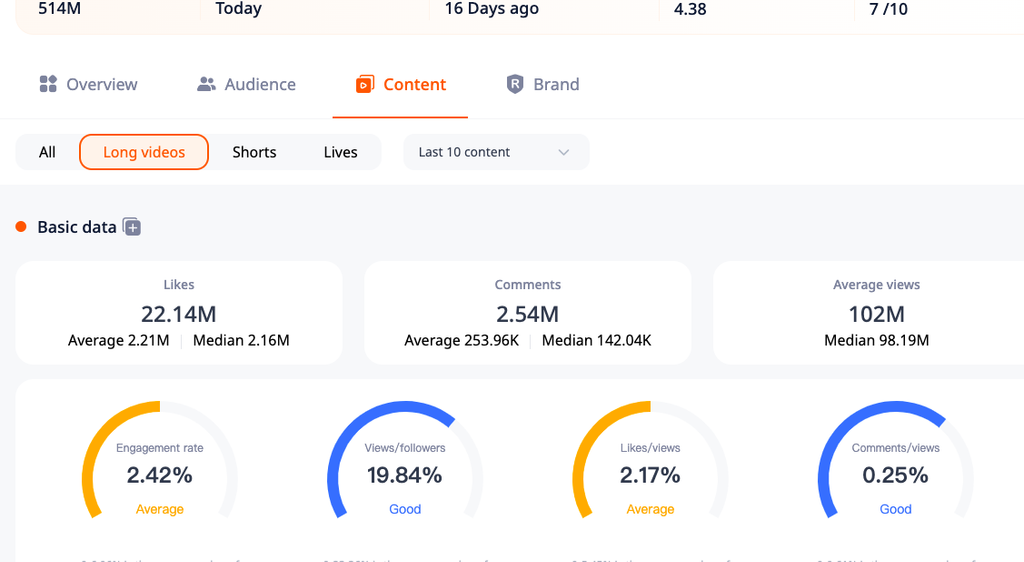
Before selecting a creator, review what they actually publish—not just their follower count. Examine their main topics, content style, posting frequency, recent video performance and previous sponsored collaborations.
Pay particular attention to whether sponsored posts perform differently from their regular content. A creator may generate strong views on entertainment videos but receive limited engagement when promoting products. This analysis helps determine whether your product can fit naturally into the creator’s content and whether their audience is likely to respond.
Brand Collaboration History
Review the brands a creator has previously worked with and examine how those sponsored posts performed. Look at the products promoted, content formats, messaging, views, engagement and audience responses.
This can help you determine whether the creator has experience presenting similar products and whether their audience responds positively to commercial content. It can also reveal competitor relationships or excessive sponsorship frequency.
However, the platform may not identify every paid partnership, especially when a post is unlabelled or the agreement is private. Use this information as an initial screening signal and verify important collaborations directly with the creator.